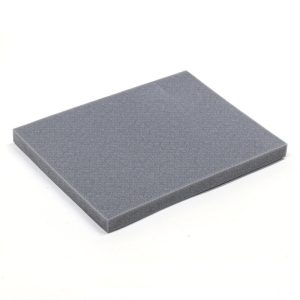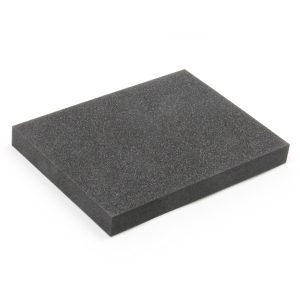
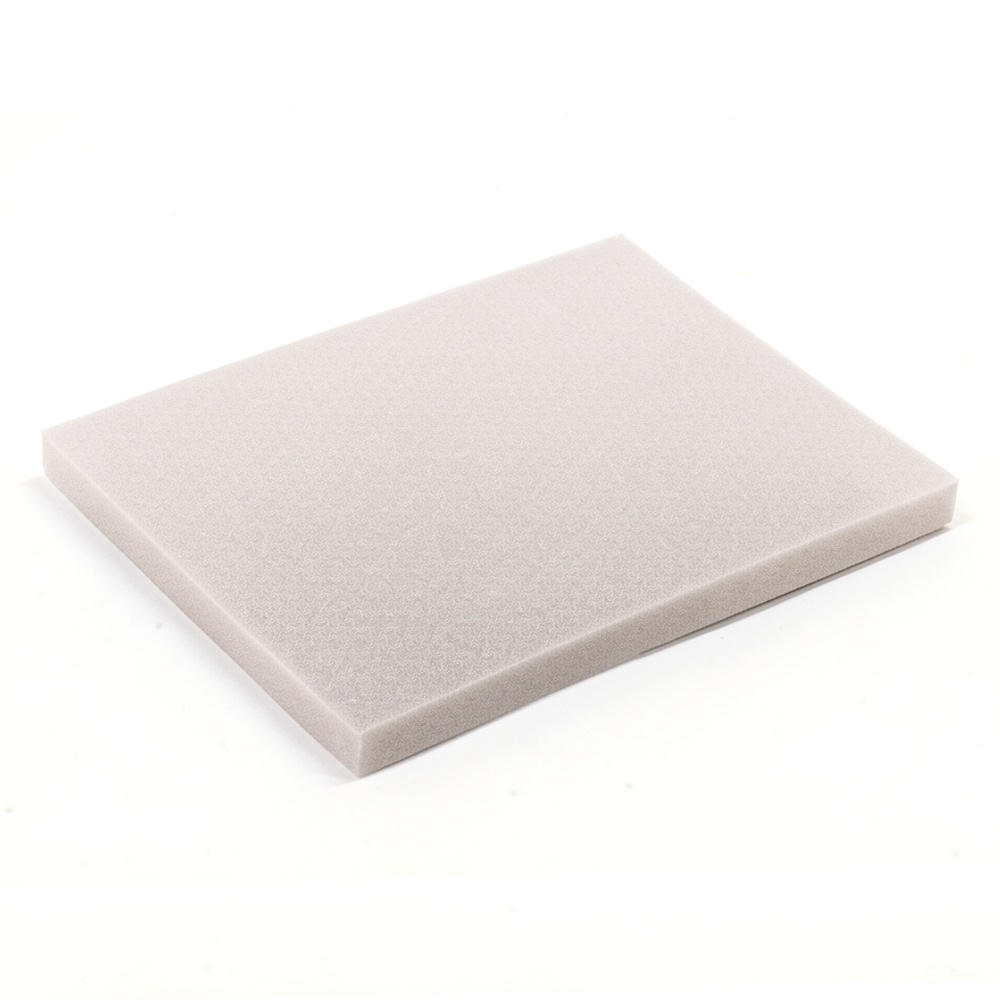
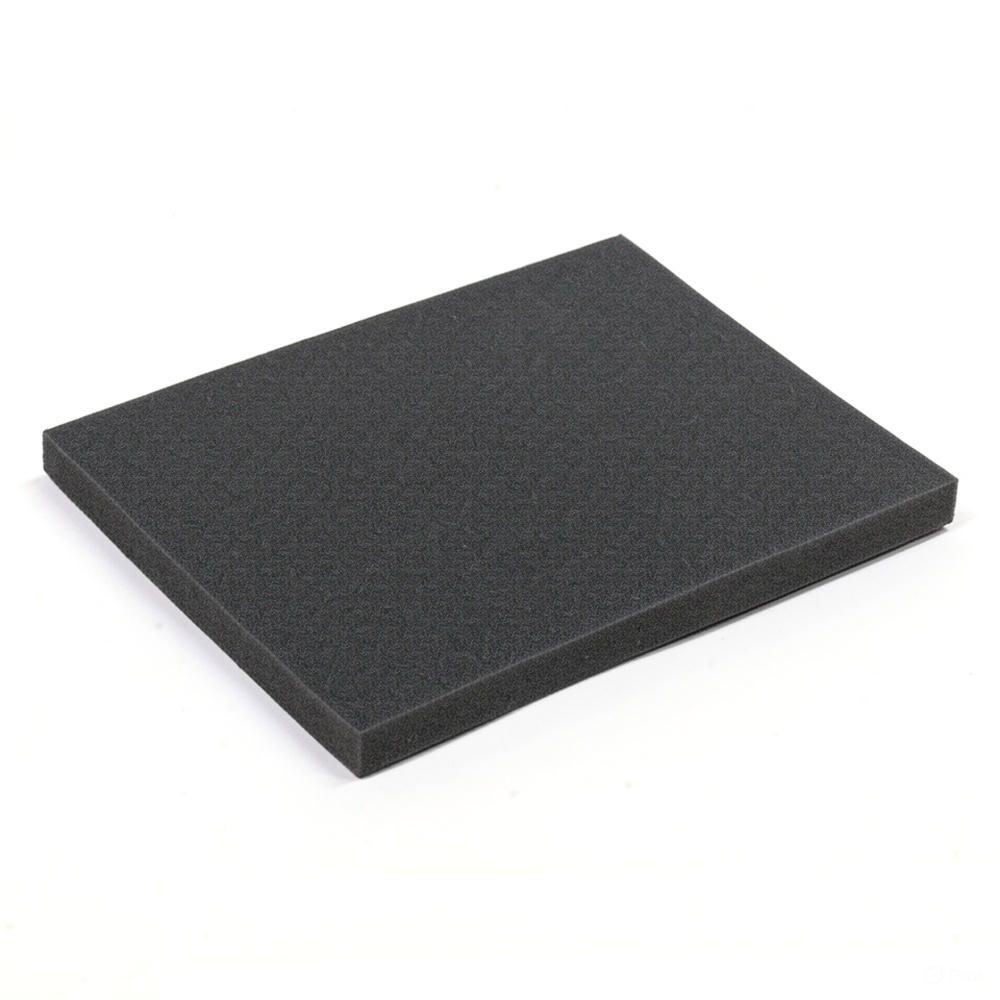
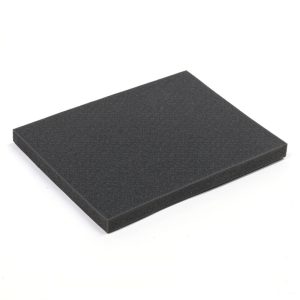
Plastazote LD29 Closed-Cell Polyethylene Foam

Calculator

3 mm
Price $0.00
Unit price (per sheet) $0.00

Standard Sheet Size: 2000×1000 mm

LD = Plastazote (PE foam)
29 = Density 29kg/m3

Plastazote LD29 is a lightweight, closed-cell, cross-linked polyethylene foam from Zotefoams, produced using a unique nitrogen expansion process. Known for its exceptional purity, uniformity, and versatility, LD29 is ideal for applications requiring reliable cushioning, insulation, and protection with minimal weight.

Description

Plastazote LD29 Key Features:

  • Density: 29 kg/m³ (1.81 PCF), lighter than LD45 (45 kg/m³) and LD60 (60 kg/m³) for enhanced flexibility and reduced weight.

  • Closed-Cell Structure: Waterproof, buoyant, and resistant to chemicals, oils, and bacteria, with no water or odor absorption.

  • Durability: Offers good tear strength (400 kPa tensile strength) and compressive resilience, though less robust than LD45 (537 kPa) and LD60 (790 kPa).

  • Thermal Insulation: Effective up to 100°C with low thermal conductivity (0.041 W/mK), ideal for energy-efficient applications.

  • Safety & Compliance: Non-toxic, odorless, and meets FDA 21 CFR 177.1520, RoHS, and REACH standards. Free from CFCs/HCFCs and recyclable.

Key Differences from LD45 and LD60:

  • Density & Strength: LD29’s lower density (29 kg/m³) makes it softer and lighter than LD45 (45 kg/m³) and LD60 (60 kg/m³), offering less structural support but greater flexibility for lightweight applications.

  • Compression Hardness: LD29 has a lower compression stress (35 kPa at 25%) compared to LD45 (90 kPa) and LD60 (70 kPa), making it less suited for heavy-load cushioning but ideal for softer padding.

  • Tensile Strength & Elongation: LD29 (400 kPa, 125% elongation) is less durable than LD45 (537 kPa, 150%) and LD60 (790 kPa, 160%), better for applications requiring less mechanical stress.

  • Applications: LD29 excels in lightweight, flexible uses, while LD45 and LD60 are preferred for higher strength and support needs.

Plastazote LD29 Common Applications:

  • Medical & Orthotics: Soft padding for insoles, braces, and medical packaging due to its hypoallergenic nature.

  • Packaging & Protection: Lightweight cushioning for delicate electronics and fragile items.

  • Sports & Leisure: Flexible padding for mats, flotation devices, and protective gear.

  • Construction: Insulation and sealing for lightweight, non-structural applications.

  • Automotive: Lightweight gaskets and seals where high strength is not critical.

Why Choose Plastazote LD29?
Plastazote LD29 offers a lighter, more flexible alternative to LD45 and LD60, prioritizing ease of fabrication and low weight while maintaining excellent chemical resistance and safety compliance. Its closed-cell structure ensures durability and versatility for cost-effective, environmentally friendly solutions.

You can read our official Zotefoams announcement here: https://www.pjbowers.com.au/articles/australian-distributor-of-zotefoams

For other foams please visit: https://foamproducts.com.au/

To view all available Zotefoams, return to the homepage: https://zotefoams.com.au/
Technical Data Sheets

Material Safety Data Sheets

Cutting Methods

Splitting

Taking a thicker foam sheet, typically 100mm thick, and splitting or slicing down to a thinner sheet. Tolerances as fine as 0.2mm. A high vacuum bed holds the foam steady, then moves it across a fine, consistently sharpened blade.

Bandsaw

Used for creating a consistent, straight cut to alter the width or length of foam sheets, slabs, or blocks.

CNC Routing

CNC routing machines remove material from a secured foam sheet to create any shape or beveled edge required. A specialized router bit, chosen for quality foam conversion, follows a precise path programmed by engineers. Intricate patterns can be machined into the foam.

CNC Water Jet Cutting

A more affordable CNC method, cutting through thick material in a single pass with pressurized water, reducing production time and cost. Small radius cuts are possible as the thin stream removes fine amounts of material. No variable depth is available.

CNC Knife Cutting

Fast and precise, reducing machine time and job cost. Limitations include limited cutting depth (based on knife length) and the need for cuts to penetrate fully through the foam. Various depths can be achieved by layering, adhering, or butt welding cut foam pieces.

CNC Wire Cutting

Cuts 2D profiles from foam sheets or slabs up to 2.4 meters in length and any height, often referred to as a profile cut.

Joining Methods

Laminating

Joins two foam sheets to increase thickness, with the join stronger than an unmodified sheet. Achieved by applying even heat to two sheets and feeding them through rollers with precise compression and feed rate.

Butt Welding

Joins large foam pieces post-machining (e.g., top and base) or connects sheets, slabs, or blocks end-to-end or stacked. The join is stronger than an unmodified sheet.

Adhesion Tapes

Adhesive peel-off tapes (e.g., 3M, Stickyback, or Stix2Bricks™) are applied to foam sheets for easy end-user application.

Surfacing Methods

Buffing

Foam is passed through brushed and knurled rolls, creating a ‘furry’ surface on the top and bottom for improved grip in wet or slip-conscious areas.

Embossing

Surface heating of foam followed by cooling under a patterned or smooth surface. The foam moulds to the pattern or forms a smoother ‘skin,’ making the surface more abrasion-resistant and easier to clean, without the typical fine cell structure.

Laser Cutting & Etching

Used for precise material removal, ideal for lettering, logos, and shallow surface customizations.